Why Vintage Jewelry Is Experiencing a New Golden Age
In recent years, vintage jewelry has shifted from a niche collectors’ interest to a mainstream global trend. From Tokyo to New York, consumers are rediscovering the charm of craftsmanship, the emotional value of history, and the sustainable appeal hidden in pieces created decades ago. This renewed fascination is shaping both the luxury market and everyday fashion choices - and it shows no signs of slowing down.
Timeless Craftsmanship in a Fast World
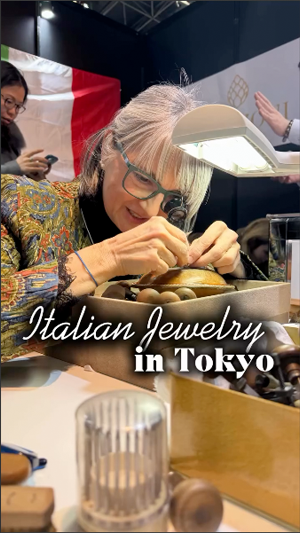
One of the main reasons for the surge in vintage jewelry popularity is the exceptional craftsmanship rarely found in contemporary mass-produced pieces. Jewelry made between the 1920s and 1980s often carries hand-engraved details, old-world setting techniques, and gemstone cuts no longer used today.
These characteristics make vintage pieces feel unique — mini works of art that stand apart from uniform modern designs.
Sustainability and Conscious Consumption
As sustainability becomes a global priority, many buyers are turning to vintage jewelry as an eco-friendly alternative.
Choosing a pre-loved piece reduces the demand for mining new gemstones and gold, lowering the environmental impact. This makes vintage jewelry especially appealing to younger generations who value both luxury and responsible consumption.
Investment Value and Market Growth
The vintage market has proven to be surprisingly stable - and often even more profitable than modern jewelry purchases.
Pieces from high-demand brands like Cartier, Van Cleef & Arpels, Tiffany & Co., and Mikimoto consistently appreciate in value.
Collectors are particularly interested in:
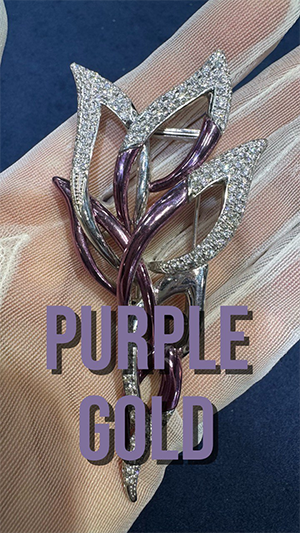
Art Deco diamond brooches
Mid-century gold bracelets
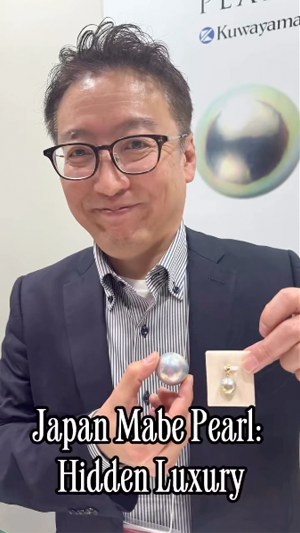
Vintage cultured pearl strands
Signature brand motifs (Alhambra, Panthère, T motifs)
Japan plays a unique role here: its domestic market has preserved many high-quality vintage items in near-perfect condition, attracting international buyers both online and offline.
Cultural Influence and Celebrity Effect
Red carpets and social media have amplified the vintage renaissance. Celebrities frequently wear archival pieces from iconic jewelry houses, bringing renewed attention to designs from past decades.
In Japan, the influence of retro aesthetics in fashion magazines and dramas has also fueled interest, making vintage jewelry part of a larger cultural revival.
Personal Stories Make Jewelry Meaningful
Vintage pieces offer something modern jewelry cannot - a history.
A ring, bracelet, or brooch carries unknown stories, emotions, and memories embedded in its metal and gemstones. For many buyers, this emotional depth transforms jewelry into more than an accessory; it becomes a symbolic treasure.
Conclusion
The new golden age of vintage jewelry is driven by a unique combination of artistry, sustainability, investment appeal, and emotional value. As global interest continues to rise, both collectors and everyday buyers are discovering the magic of pieces that have lived long before them - and will continue to shine for generations.