Jewelry Investment Trends in Japan: Pearls, Platinum, Diamonds
2025 Market Insights for Collectors and Investors
Japan has a long cultural and economic history of investing in precious materials. While global jewelry markets experience rapid changes, Japanese buyers continue to prioritize stability, heritage, and long-term value when choosing investment pieces. In 2025, three categories dominate Japan’s investment interest: pearls, platinum, and diamonds. Each reflects a unique intersection of tradition, craftsmanship, and financial security.
This article explores why these three assets remain the core of Japan’s jewelry investment culture-and how trends are shifting in the current market.
1. Pearls: Japan’s Cultural & Investment Icon
Why Pearls Are a Safe Investment in Japan
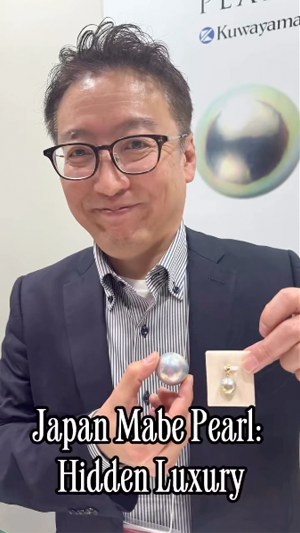
Japan is globally recognized as the homeland of Akoya pearls, and they hold not only aesthetic but also investment value. High-quality Japanese pearls-especially premium Hanadama and rare large-sized Akoya-continue to appreciate due to limited production capacity and environmental challenges affecting farms.
Key investment advantages:
Global demand for Japanese pearls remains high, especially in China, the US, and the Middle East.
Limited natural supply due to rising water temperatures and environmental pressures.
Growing interest in vintage Mikimoto and collectible pearl strands.
Stable resale value, particularly for certified premium Akoya.
2025 Trend Insight:
Collectors seek rare sizes (8.5mm-9.5mm) and top-grade luster, driving prices higher each year. Pearls are expected to remain one of Japan's strongest jewelry assets over the next decade.
2. Platinum: Japan’s Longstanding Precious Metal of Choice
Why Platinum Dominates the Japanese Market
Japan is one of the world’s largest consumers of platinum jewelry. Unlike gold, platinum is deeply tied to Japanese cultural preferences for understated luxury, durability, and purity.
Investment benefits:
High purity (usually 90-95%) increases long-term material value.
Resistant to tarnish and wear, ideal for heirloom pieces.
Strong Japanese domestic demand, even when global markets fluctuate.
Industrial demand (automotive & technology) supports long-term price stability.
2025 Trend Insight:
Many Japanese investors are shifting from gold-whose price is volatile-to platinum bridal jewelry and collectible vintage platinum pieces, valuing the metal’s purity and durability.
3. Diamonds: From Classic Investments to Modern Alternatives
Traditional Diamond Investment in Japan
Japan has long been a strong diamond market, especially for high-end natural stones with excellent cut and clarity. Demand is consistent for GIA-certified diamonds with:
D-F color
VVS-VS clarity
Ideal or Triple Excellent cut 2025 Investment Shifts:
1. Natural Diamonds Remain a Premium Category
Collectors prioritize transparency and proven origin due to global concerns about ethical sourcing.
2. Rising Interest in Lab-Grown Diamonds (As a Secondary “Value Investment”)
While not considered “investments” in the traditional sense, Japanese consumers show increasing interest in large-size lab-grown diamonds for personal luxury purchases. They offer significant size upgrades at accessible prices.
3. Fancy Color Diamonds Gain Popularity
Rare fancy yellow, pink, and blue diamonds-especially small investment-grade stones-are gaining traction among collectors.
How Japanese Consumers Approach Jewelry Investment
Japan’s investment style differs from Western markets. It is more conservative, value-driven, and quality-focused.
Key behaviors of Japanese investors:
Prioritize craftsmanship and brand heritage
Prefer certified and traceable gems
Focus on long-term holding rather than quick resale
Often choose pieces that combine emotional and investment value (bridal, heritage, commemorative pieces)
In 2025, Japan’s jewelry investment landscape remains deeply rooted in traditional categories-pearls, platinum, and diamonds-yet continues to evolve with global and domestic trends. Pearls stand strong as a national treasure, platinum remains a symbol of Japanese luxury, and diamonds diversify through innovation and rarity.
For investors, collectors, and jewelry enthusiasts, understanding these trends provides a clear pathway to building a meaningful and financially stable jewelry portfolio in Japan.