How to Start Investing in Jewelry: A 2026 Step-by-Step Guide
Your modern roadmap to entering one of the most resilient luxury investment markets.
Jewelry is no longer viewed only as adornment - in 2026 it has become one of the fastest-growing alternative investment categories. High-quality gold, vintage designer pieces, rare gemstones, branded jewelry, and even lab-grown diamonds (in specific segments) now attract both collectors and first-time investors.
Unlike stocks or crypto, jewelry is a tangible asset with emotional, cultural, and long-term financial value. And when chosen wisely, it can outperform many traditional investments.
Here is your clear, modern, step-by-step guide to starting your jewelry investment journey in 2026.
1. Understand Why Jewelry Is a Smart Investment in 2026
Stability in Uncertain Markets
Gold prices continue to rise globally. Jewelry made from 18K, 22K, and 24K gold holds intrinsic value, making it one of the safest luxury investments during inflation and market volatility.
Boom in the Pre-Owned Market
Vintage and pre-loved jewelry is experiencing unprecedented global
demand - especially in Japan, the U.S., and Europe. Pieces from the 70s, 80s, and 90s have become highly collectible.
Cultural Shift Toward “Wearable Assets”
Consumers want assets they can both enjoy and rely on in difficult times. Jewelry combines value, utility, and beauty - a rare trio.
2. Learn the Categories of Investment Jewelry
To invest wisely, you must know what types of jewelry hold and grow in value.
✔ Gold Jewelry (18K-24K)
High-purity gold pieces - especially chains, bangles, and classic forms - retain value
based on gold weight + craftsmanship.
✔ Vintage Designer Jewelry
Brands like:
Cartier
Van Cleef & Arpels
Tiffany & Co.
Boucheron
Bulgari
have strong historical demand and stable resale prices.
✔ Signed High Jewelry
Pieces with certificates, signatures, or original boxes tend to appreciate significantly.
✔ Investment-Grade Diamonds
Think:
1.00-2.00ct stones
GIA-certified
Excellent cut
Colors D–H, clarity VS1–SI1
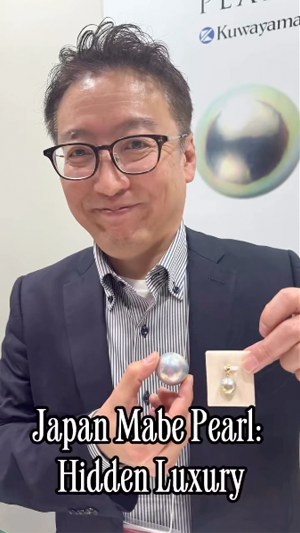
✔ Pearl Investments (Japan-specific)
Rare Japanese Akoya strands, especially
top-tier hanadama pearls, continue to rise in value.
3. Set Your Investment Goals
Before buying anything, define your strategy:
Are you investing for:
Long-term appreciation?
A stable asset in uncertain economies?
Collecting rare pieces?
Building wearable wealth?
Passing items to future generations?
Your goals determine what type of jewelry you should focus on - gold for stability, vintage for appreciation, diamonds for global liquidity, pearls for specialty investments, etc.
4. Understand Your Budget (and the Real Costs)
In jewelry investment, your budget should include:
Purchase price
Grading or certification (GIA, AGL)
Maintenance & polishing
Storage (especially for high-value
diamonds or vintage pieces)
Occasional professional appraisals
For beginners in 2026, an ideal starting range is $1,000-$5,000, focusing on gold pieces or small investment diamonds.
5. Learn How to Evaluate Jewelry Quality
Gold Jewelry
Look for 18K, 22K, or 24K stamps
Check for hallmark purity
Understand weight vs. hollow construction
Diamonds
Follow the 4Cs:
Cut • Color • Clarity • Carat
Only buy stones with GIA certification.
Gemstones
Look for natural stones, no heavy treatments, and lab reports.
Vintage Jewelry
Ask for:
Brand signatures
Original boxes
Receipts
Proved provenance
Vintage items with full documentation appreciate significantly faster.
6. Step-by-Step: How to Buy Your First Investment Jewelry (2026)
Step 1: Research the category you want to invest in
Gold? Designer? Diamonds? Pearls? Vintage?
Choose your niche.
Step 2: Compare prices across multiple markets
Japan, the U.S., and Hong Kong offer
different price dynamics.
Japan is especially strong in vintage luxury.
Step 3: Buy only from reputable sources
Department stores
Certified boutiques
Trusted vintage shops
Auction houses
Well-reviewed online jewelry platforms
Never buy high-value investment jewelry from unknown sellers.
Step 4: Request certification / appraisal
Especially for diamonds, gemstones, and branded vintage.
Step 5: Document everything
Keep receipts, box, papers - these increase future resale value.
Step 6: Maintain your jewelry properly
Store it safely, clean regularly, and inspect settings once or twice a year.
7. Where to Buy Investment Jewelry in 2026
Japan (Top Global Market for Vintage)
Tokyo offers:
Premium vintage shops
Exceptional gold pricing
High standards of authenticity
Districts like Ginza, Omotesandō, and Shinjuku are hotspots for investment-grade pieces.
International Options
Sotheby’s
Christie’s
1stDibs
Reputable online luxury platforms
8. How to Avoid Common Beginner Mistakes
❌ Buying jewelry without certificates
❌ Choosing trendy designs over timeless pieces
❌ Overpaying for retail brands without resale value
❌ Investing in low-purity gold (10K, 14K)
❌ Storing jewelry incorrectly
❌ Not understanding market prices
Jewelry investment is simple - but only when done with knowledge.
9. When Will Jewelry Increase in Value?
Jewelry appreciates when:
Gold prices rise
Brand popularity increases
The piece becomes rare or discontinued
Vintage trends cycle back (like the 80s bold gold revival)
Market demand rises internationally
Most jewelry holds value immediately, but appreciation is usually seen over 3-10 years.
Final Thoughts: Entering the Jewelry Investment World with Confidence
Jewelry is more than a luxury item - it’s a form of financial security, cultural heritage, and wearable wealth.
In 2026, the market is stronger, smarter,
and more transparent than ever.
With the right knowledge, anyone can become a confident jewelry investor.
The key is simple:
Buy quality, buy knowingly, buy timelessly - and let your collection grow in value.