How Jewelry Exhibitions Predict Global Fashion Trends
Every year, before new collections appear in boutiques, before influencers parade the latest silhouettes, and long before a trend becomes a trend — jewelry exhibitions quietly decide the future of global fashion. These events, from Tokyo to Paris, are not “just” industry gatherings; they are forecasting laboratories where designers, gemologists, luxury maisons, and cultural analysts reveal what the world will wear next.
Jewelry exhibitions have become one of the most reliable predictors of upcoming fashion directions. Their influence is subtle but powerful: the gemstones showcased, the metals favored, the techniques revivalized, and the themes
designers repeat - all these elements later appear in runway shows, celebrity styling, editorial shoots, and eventually, mainstream retail.
Below is a deep dive into how jewelry exhibitions shape, influence, and even dictate global fashion trends - often years before they hit the market.
1. Exhibitions Reveal Material Trends Before Anyone Else
When Japanese exhibitions highlight increases in pearls, bold gold, or lab-grown diamonds, it almost always signals a global shift.
What typically emerges first at exhibitions:
New gemstone cuts (avant-garde
asymmetry, minimalistic ovals, reimagined antique cuts)
Unexpected metal combinations (platinum × black rhodium, brushed gold × titanium)
Color palettes that influence fashion houses (pastel sapphires → pastel-toned clothing seasons later)
Revival of forgotten materials (jade, coral, lacquer, enamel, kogei techniques)
In Japan specifically, exhibitions like IJT Tokyo, Jewellery Tokyo Autumn, and Kobe International Jewelry Exhibition often forecast:
A renewed focus on high-grade Akoya pearls
The rise of 18K bold yellow gold
The mainstream acceptance of lab-grown diamonds
What appears at these shows is almost always reflected in global fashion 12-24 months later.
2. Cultural Themes Become the DNA of Future Trends
Fashion does not come from nowhere - it responds to cultural storytelling. Jewelry exhibitions are among the first places where these narratives crystallize.
Recurring themes that later dominate
global fashion:
Retro revival cycles: When exhibitions highlight 70s or 80s silhouettes, fashion houses follow with matching clothing aesthetics.
Minimalism vs. maximalism: Huge geometric gold designs → runway shifts to bold statement fashion.
Nature-inspired motifs: When shows present floral, shell, or water-inspired pieces, fashion runways soon adopt the same organic textures.
Japanese wabi-sabi philosophy: Imperfect pearls and raw materials spark minimalistic fashion waves internationally.
These themes often debut in artisan booths long before luxury giants reinterpret them.
3. Technology Showcases Future Market Behavior
Every major shift in jewelry consumption began with technology unveiled at exhibitions.
Examples:
Lab-grown diamond advancements predict major pricing and market changes.
3D-print jewelry techniques affect design freedom and manufacturing costs.
New gemstone enhancement technologies
influence color trends.
Sustainability-focused metals create eco-fashion waves.
When exhibitions highlight sustainability, minimal-overconsumption, and ethical sourcing - fashion follows with green collections.
4. Celebrity Stylists Watch Exhibitions Too
The most influential trendsetters - stylists for J-pop idols, K-pop groups, Hollywood actors, and European models - attend or monitor jewelry exhibitions.
Why?
Because styling often begins with jewelry, not clothes.
A bold gold chain, a dramatic pearl ear cuff, or an exceptional sapphire necklace inspires entire editorial looks.
When stylists select pieces from Japanese exhibitions:
Tokyo fashion adopts the trend
Asian fashion spreads it
Global fashion mirrors it
This ripple effect makes exhibitions silent but powerful global fashion engines.
5. Exhibitions Set Buying Patterns for Retailers Worldwide
Retail buyers rely heavily on jewelry exhibitions for forecasting:
If buyers consistently invest in chunky gold, expect stores to push bold gold clothing silhouettes.
If retailers place big orders on pearls, brace for a pearl-dominant fashion season.
If color gemstones draw massive attention, fashion color palettes follow suit.
Retail decisions often direct what customers see in stores - and therefore what becomes a global trend.
6. Japanese Exhibitions: Why Their Influence Is Growing
Japan’s jewelry aesthetic has become globally influential because it blends:
Precision craftsmanship
Cultural subtlety
Modern minimalism
High-grade pearls
Innovative reinterpretations of heritage techniques
Western designers increasingly look to Japan for:
New metal textures
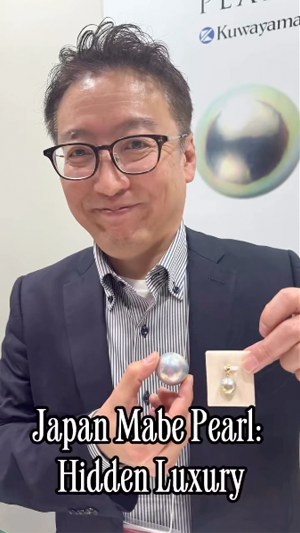
Pearl innovations
Clean, architectural lines
Artistic, nature-inspired design
Japanese exhibitions are now among the most trend-dictating in the world - especially for pearls and innovative gold textures.
7. What This Means for Consumers, Investors, and Trend Watchers
For fashion designers:
Jewelry exhibitions are your roadmap for the next two years.
For jewelry collectors:
You can spot future investment pieces before prices rise.
For retailers:
Exhibitions help you stock items that will sell months ahead.
For everyday fashion lovers:
Watching jewelry exhibitions gives you insider knowledge long before the trends reach magazines or social media.
Conclusion: Jewelry Exhibitions Are the First Chapter of Every Trend
Fashion begins with storytelling, materials, and craftsmanship - all of which are born at jewelry exhibitions. From Tokyo to
Milan, from Kyoto ateliers to New York showrooms, these events define what future elegance will look like.
If you want to understand where global fashion is heading, don’t look at runways or influencers.
Look at the jewelry exhibitions.
That’s where tomorrow’s trends are written.