Best Places to Buy Jewelry in Tokyo - The 2026 Guide
An expert, practical, on-the-ground guide to where to find the city’s best jewels - from high-jewelry flagships and handmade Japanese ateliers to vintage troves and discreet pawn/consignment shops.
Tokyo is a luxury shopper’s map of contrasts: cathedral-caliber flagship boutiques in Ginza, quiet atelier rooms in Aoyama, curated vintage troves in Daikanyama, and department-store megahalls that make tax-free shopping effortless.
For jewelry buyers in 2026, Tokyo offers three unbeatable advantages: world-class pearl supply (Akoya/Hanadama), an elite vintage ecosystem, and a new generation of minimalist designers blending craft + tech.
Below I’ll walk you through neighborhoods, must-visit shops and shop types, what to buy in Tokyo, and how to shop smart - with concrete, actionable advice.
Quick snapshot - Tokyo shopping map (what each area is best for)
• Ginza - Luxury flagships, high-jewelry, international maisons, top Japanese brands (best for new high-jewelry purchases and brand boutiques).
• Nihonbashi / Department Stores (Mitsukoshi, Isetan) - Efficient tax-free service, wide brand selection, easy returns and aftercare. Essential for first-time buyers.
• Omotesandō / Aoyama - Boutique Japanese designers, bespoke ateliers, quiet luxury and bridal studios (Vendome Aoyama, independent studios).
• Daikanyama & Nakameguro - Curated vintage shops, independent designers, everyday-wear fine jewelry.
• Shinjuku (Isetan) - A huge department store with an influential jewelry floor; active tax-free shoppers here.
• Specialty districts / hidden gems - Kōenji/Koenji for indie makers, Ueno/Okachimachi for gem wholesalers and tools, small pawn/consignment salons across Ginza for rare vintage finds.
1) Ginza - The global luxury stage
Why go: Ginza is Tokyo’s luxury axis. Flagship boutiques of international maisons (Cartier, Tiffany, Bvlgari, etc.) and Japan’s top heritage brands (Mikimoto’s flagship is here) concentrate in a few walkable blocks, giving the buyer instant access to the full spectrum of high-jewelry and bridal services. The newly renovated Mikimoto Ginza flagship is a landmark example of why collectors begin here.
What to expect:
• Dedicated bridal consultants and in-house aftercare.
• Reserve/appointment services are standard for high pieces.
• Private viewing rooms for high-value sales.
• Very high service standards - sales staff are trained for foreign customers and luxury protocols.
Shopping tips:
• Book appointments in advance for high-value viewings (especially on weekdays).
• Ask for official certificates and a written maintenance/aftercare plan.
• If buying vintage from Ginza consignments or pawn shops, insist on multi-point authentication and a short cooling-off/return window.
2) Department stores: Isetan, Mitsukoshi, Takashimaya - Efficiency+ tax-free convenience
Why go: Japan’s main department stores centralize top brands and offer the easiest tax-free experience for foreign visitors. Stores such as Isetan and Mitsukoshi provide dedicated jewelry floors, multilingual service, and reliable tax-free processing - an ideal place to compare brands side-by-side.
What to expect:
• Wide selection: branded jewelry, bridal counters, everyday fine jewelry, and watches.
• Tax-free counters and clear instructions for export documentation.
• Authorized warranty handling and straightforward exchanges.
Shopping tips:
• Use department stores as a control sample: compare certificate quality, finish, and price before buying at an independent boutique.
• Keep all paperwork; department stores will facilitate tax-free receipts and sometimes airport refund procedures.
• Visit weekday mornings to avoid crowds and get attentive staff.
3) Omotesandō / Aoyama - Japan’s designer ateliers and bespoke scene
Why go: Omotesandō and Aoyama are Tokyo’s design districts - home to the best contemporary Japanese jewelers, bridal ateliers, and quiet luxury brands (Vendome Aoyama and smaller independent studios). If you want something made-to-order, minimalist, or artistically Japanese, this is the area to explore.
What to expect:
• Small boutiques and ateliers offering custom commissions and bridal workshops.
• Designers combining traditional techniques with 3D/CAD - ideal for bespoke engagement rings and modern pearl settings.
• Calm, appointment-based appointments and an emphasis on material storytelling.
Shopping tips:
• Schedule a studio consultation (many ateliers accept English but bring a translator for complex technical talks).
• Ask to see process photos and material provenance (especially for pearls or untreated gems).
• Expect lead times of several weeks-months for custom work.
4) Daikanyama & Nakameguro - Vintage, curated boutiques, and new wave designers
Why go: Trendy, relaxed, and boutique-driven, Daikanyama and Nakameguro house some of Tokyo’s best vintage jewelry and second-hand specialist shops - perfect for finding pre-loved, well-preserved pieces and unique small-batch designers. Time Out and local guides point to these neighborhoods for their curated selection.
What to expect:
• Carefully curated vintage stores, small consignment boutiques, and indie designers.
• A higher chance of discovering rare pre-owned pieces in excellent condition (Japan’s preservation culture means vintage often looks nearly new).
• Local boutiques that will carefully authenticate and sometimes refurbish pieces on site.
Shopping tips:
• Ask for a detailed condition report and provenance when buying vintage.
• If possible, bring a loupe or use the shop’s jeweler to inspect settings and hallmark stamps.
• Build relationships - repeat customers often get first access to new inventory.
5) Nakano / Okachimachi / Ueno - Wholesalers and gem-tool districts
Why go: For buyers who want raw materials, loose gems, or to work directly with cutters and setters, Ueno/Okachimachi and Akihabara-adjacent districts have wholesalers and specialist tool suppliers. These areas are crucial for designers and resellers sourcing loose stones or tools. (See Yamanashi-cut gems and local wholesale networks for sourcing context.)
What to expect:
• Wide selection of loose gemstones, bead suppliers, tools, and small factory connections.
• Some language barriers - bring a buyer or interpreter familiar with gem terms.
Shopping tips:
• Come armed with a shopping list and grades (4Cs for diamonds, PSL/GIA preferences for pearls/gems).
• Negotiate politely; local wholesalers expect professional buyers to compare quotes.
6) The Vintage & Resale Scene - Why Tokyo’s second-hand market is world-class
Why go: Tokyo’s second-hand and vintage market has matured into a global reference point - brands like Kindal, Casanova Vintage and others, plus specialty consignment shops, offer authenticated designer jewelry and bags. International buyers prize Tokyo’s condition standards and authentication rigor.
What to expect:
• Higher standards of condition and conservative pricing compared to many markets.
• A good chance of finding Japan-exclusive colors/limited releases from luxury houses.
• Professional authentication and receipts (important for resale/investment).
Shopping tips:
• Insist on documented authentication and (where possible) original boxes or receipts.
• Ask for any restoration history (stringing, re-polishing, rhodium re-plating).
• Consider specialist vintage auctions and department store resale events for rare finds.
What to buy in Tokyo (and why)
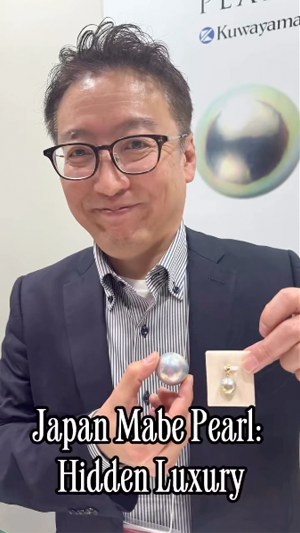
• Akoya & Hanadama pearls -Japan remains the global source for top Akoya pearls and Hanadama-graded strands; unmatched luster and grading.
• Japanese designer minimal jewelry - clean lines, perfect finishing, and custom bridal work (Omotesandō/Aoyama).
• Untreated colored gems - Japanese collectors prize unheated sapphires, spinel, padparadscha - good time to buy if provenance and lab reports are provided.
• Vintage & Japan condition pre-owned luxury - many pieces are preserved exceptionally well thanks to local care practices.
How to shop smart in Tokyo - practical, expert tips
Tax-free shopping & paperwork
• Department stores and many boutiques offer tax-free shopping to foreign visitors; bring your passport and ask for the tax-free procedure at purchase. Isetan/Mitsukoshi publish clear tax-free guides for visitors.
• Keep receipts, tax-free forms, and original packaging for airport checks.
Authentication & certificates
• Request certificates for diamonds (GIA), colored stones (GIA/GRS/IGI), and pearls (PSL for Hanadama). Japanese shops are accustomed to providing lab reports for high-value purchases.
Negotiation & pricing
• Prices in flagship boutiques are usually non-negotiable. In vintage shops, pawn salons, and smaller retailers polite negotiation is possible. Always be respectful and informed.
• Compare department store prices vs boutique prices - sometimes department stores have exclusive tax-free campaigns.
Language & appointments
• Book appointments for high-value showings. Use simple English; many flagship stores and leading department stores have English-speaking staff. For technical talks (gem treatments, provenance) consider bringing a translator familiar with gemstones.
Shipping vs taking home
• If buying very high-value pieces, consider insured shipping via the store or reputable couriers. Note that recent regulations on tax-free and exported goods can vary - confirm export documentation with the shop.
Aftercare & warranty
• Japanese retailers are excellent at aftercare; confirm service policies and where to send an item for repair outside Japan.
Weekend itinerary (1-2 day plan for serious buyers)
Day 1 — Ginza + Nihonbashi
• Morning: Mikimoto (flagship), Cartier/Bvlgari showrooms (Ginza).
• Afternoon: Mitsukoshi Ginza /
Ginza Six jewelry floors for brand comparison.
Day 2 - Omotesandō / Daikanyama / Nakameguro
• Morning: Visit boutique ateliers in Omotesandō (design consultations/commissions).
• Afternoon: Wander Daikanyama and Nakameguro for vintage troves and indie designers.
Final verdict - why Tokyo should be on every serious buyer’s list in 2026
Tokyo combines heritage (pearls and meticulous finishing),authentication rigour (department store & auction standards), and creative energy (Omotesandō designers and Yamanashi cutters). Whether you want a Hanadama strand, a bespoke minimal engagement ring, an untreated padparadscha, or the perfect vintage find, Tokyo offers unmatched depth and safety for buyers - plus convenient tax-free options and world-class aftercare.