The Verdant Renaissance: Why the Emerald is 2026’s Definitive Power Move
In Japan, color is not merely seen; it is felt. It exists in the velvety dampness of temple moss, the froth of a perfectly whisked matcha, and the specific, bruised silver of light immediately following a spring downpour. It is a culture that prioritizes the "shibui"—an aesthetic of simple, subtle, and unobtrusive beauty.
Against this backdrop, the emerald has emerged as the protagonist of the jewelry world. While 2025 saw the stone overtake every other colored gem to become the top-selling precious stone in Japan, its momentum in 2026 shows no signs of slowing. It has become the definitive symbol of a new era of quiet luxury.
The Beauty of the "Jardin"
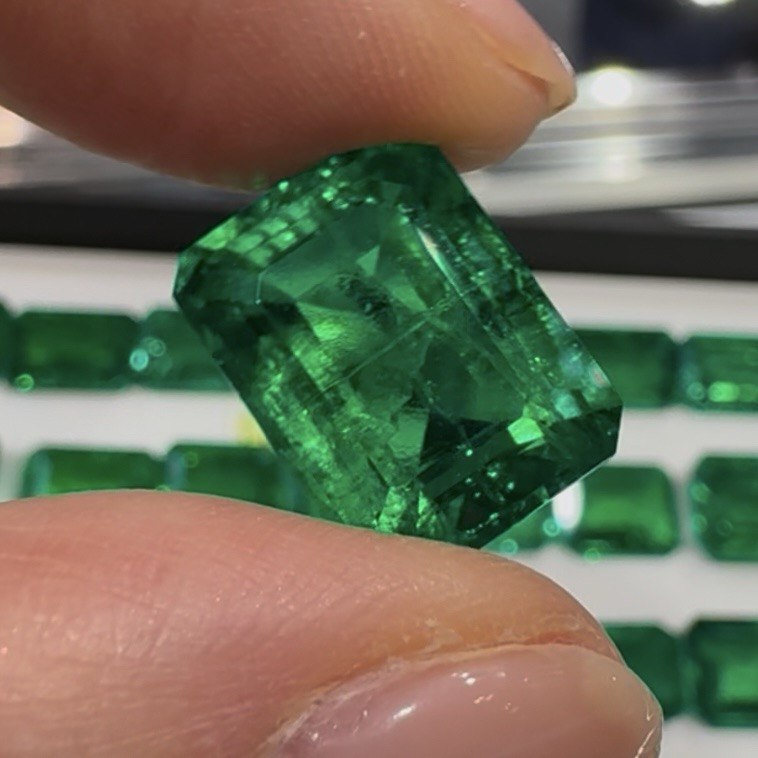
To the uninitiated, a flaw is a failure. To the connoisseur, it is a fingerprint. The emerald is famously "imperfect," characterized by a dense network of internal inclusions known poetically as the jardin (garden).
This living texture is precisely why the stone resonates so deeply with the modern aesthetic. In an age of digital sterility, the emerald offers a tactile depth. The Japanese market, in particular, has embraced these inclusions as a reflection of nature’s own complexity. It is a stone that doesn't just sparkle; it breathes.
The New Alchemy: Natural, Lab-Grown, and Crystallized
As the demand for emeralds scales globally, the conversation has shifted from "if" to "how." The modern collector—and the B2B sector driving these trends—now navigates a sophisticated trio of choices:
-
The Natural Heirloom: The allure of a natural emerald remains its rarity and the geological "luck" required to produce that signature chromium-rich green. These stones are the blue-chip assets of the jewelry world, valued for their provenance and the romantic notion of owning a piece of the Earth’s deep history.
-
The Lab-Grown Revolution: Cultivated in controlled environments, lab-grown emeralds are chemically, physically, and optically identical to their mined counterparts. For the ethically-conscious buyer or the designer seeking uniform clarity and saturated color at a more accessible price point, the lab-grown emerald is no longer a "substitute"—it is a strategic choice.
-
Crystallized (Hydrothermal) Emeralds: Often referred to in the trade as "crystallized" or flux-grown, these stones are created through a slow process that mimics the natural hydrothermal vents of the Earth. The result? A stone with the same "garden" inclusions and soul as a natural emerald, but with a structural integrity that often surpasses them. It represents the pinnacle of human-assisted beauty.
The 2026 Outlook: A Green Standard
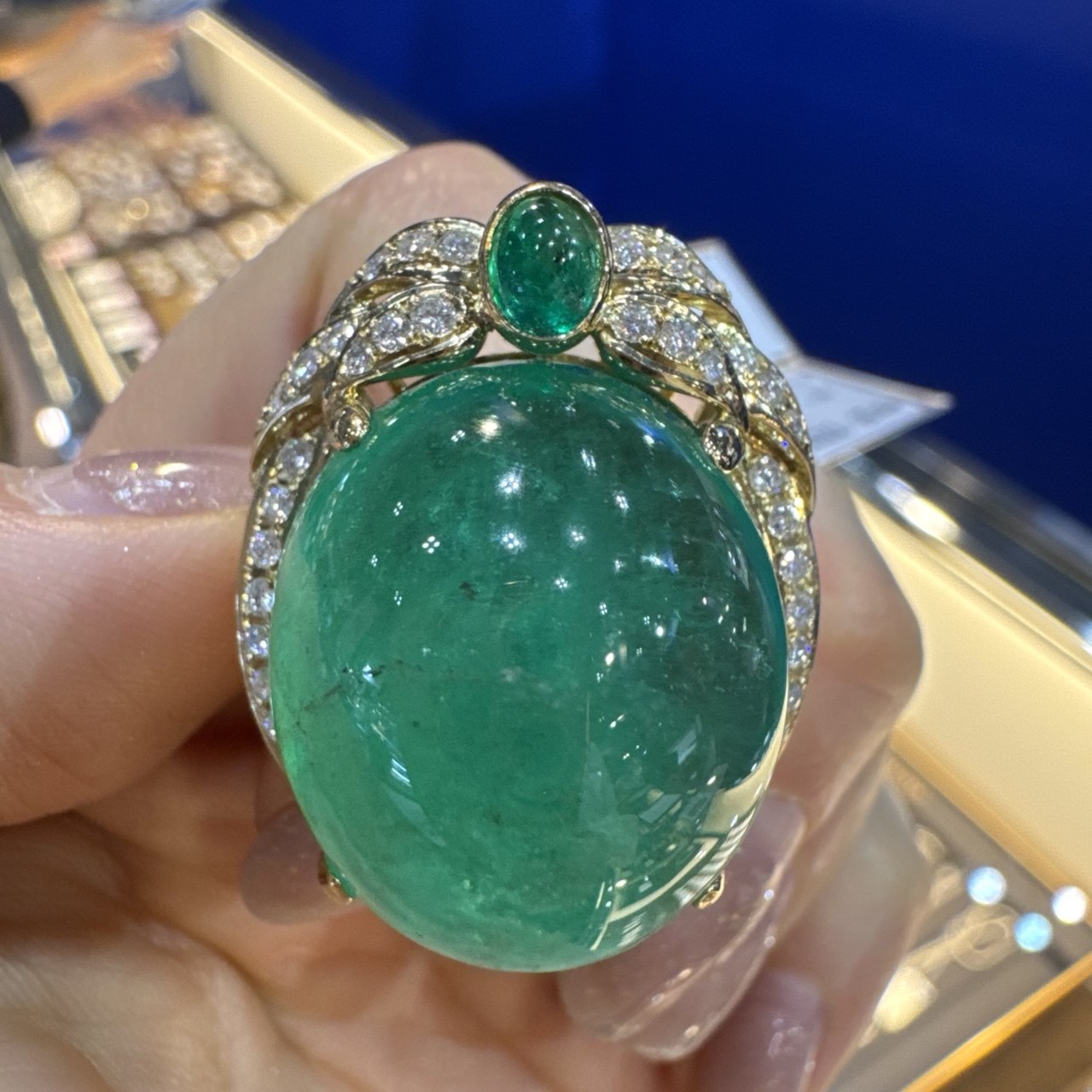
As we move further into the year, the emerald is transcending its status as a mere birthstone for May. It has become a staple of the "Investment Wardrobe." Whether it is a raw, hexagonal crystal set in brushed gold or a precision-cut lab-grown center stone for a sleek B2B bridal line, the message is clear: Green is the new gold.
In a world that feels increasingly synthetic, the emerald—in all its forms—connects us to something primal, lush, and enduring. It is a stone for those who understand that true luxury isn't about being the loudest in the room, but the most profound.
Is the market shifting toward the "perfect" clarity of lab-grown stones, or is the "jardin" of natural emeralds still the primary driver for your current collections?