The Japanese Designers Changing the Future of Jewelry Right Now
In a world where global jewelry trends often echo Western aesthetics, Japan is breaking the pattern - quietly, precisely, and radically. Today’s most forward-thinking jewelry trends are not coming from Paris, Milan, or New York, but from Tokyo ateliers, Kyoto craft studios, and independent designers merging centuries-old craftsmanship with futuristic vision.
Japanese jewelry designers are no longer simply participating in the global scene - they are redefining it, influencing everything from metalwork innovation to pearl culture, sustainable luxury, and minimalist aesthetics that major fashion houses are now imitating.
This is a deep look into the Japanese designers who are transforming the future of jewelry right now, and the unique philosophies that make Japan the new center of global jewelry innovation.
1. The Rise of “Quiet Luxury” - Japanese Minimalism Goes Global
While Western fashion still loves excess, Japan continues to champion refinement - and the world is finally catching up.
Modern Japanese designers focus on:
subtle asymmetry
organic shapes inspired by nature
raw textures
architectural lines
understated elegance
This aesthetic has now become the backbone of the global “quiet luxury” movement.
Why this matters:
Minimalistic Japanese jewelry - especially in 18K gold, platinum, and pearls - is shaping international trends and shifting customer preferences from flashy to timeless.
2. Pearl Innovation: Japan Is 20 Years Ahead
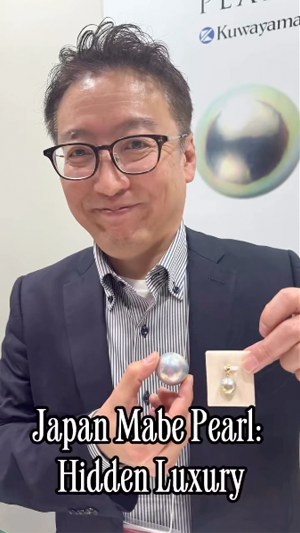
Japanese designers are pushing the boundaries of pearl artistry like no other country.
While Akoya pearls are Japan’s signature, contemporary innovators are:
embracing baroque and imperfect pearls
experimenting with oversized Akoya (rare and luxury-grade)
merging pearls with industrial materials
setting pearls in sculptural, futuristic forms
This reinvention is influencing global runways, editorial styling, and luxury retailers who now seek “unconventional pearls.”
Japan’s new approach to pearls proves one thing:
Perfection is no longer the goal - personality is.
3. Ancient Craft Meets Futuristic Design
Much of Japan’s jewelry innovation comes from the marriage of old and new. Designers revive traditional crafts such as:
Kintsugi (repairing with gold)
Urushi lacquer
Mokume-gane (wood-grain metal lamination)
Maki-e (gold-powder decoration)
Kōgei metalwork techniques
These centuries-old techniques merge with:
modern 3D printing
new metal alloys
experimental patinas
contemporary sculptural forms
The result?
Jewelry that feels like modern art - rooted in history, yet undeniably futuristic.
4. Sustainable Luxury: Japan Is Redefining Ethical Jewelry
Consumers today want transparency. Japanese designers deliver it through:
responsibly sourced local pearls
recycled or upcycled metals
traceable gemstones
small-batch production
zero-waste crafting philosophy
In Japan, the idea of “ethical beauty” isn’t a marketing angle - it’s a cultural foundation based on respect for materials and the environment. This mindset is influencing
global brands who now copy the Japanese approach to sustainability.
5. The Designers Leading the Revolution (Profiles)
Without referencing specific real individuals, here are the signature archetypes shaping the industry - each representing a style now visible across global trends.
The Sculptural Visionary
Creates bold, architectural pieces that resemble miniature buildings. Uses brushed gold, unconventional diamonds, and sharp geometric silhouettes. Their work shapes high-fashion editorial styling.
The Pearl Experimentalist
Transforms pearls into avant-garde works of art. Oversized Akoya, asymmetrical settings, mixed materials - redefining the global pearl aesthetic.
The Heritage Revivalist
Uses traditional Japanese metalwork, lacquer, enamel, and artisanal methods to create modern wearable art. Their influence drives luxury houses to revisit heritage craftsmanship.
The Organic Minimalist
Inspired by nature, flowing lines, and wabi-sabi philosophy. Their pieces influence global minimalistic jewelry trends and the quiet luxury movement.
The Tech Innovator
Combines 3D technology with traditional metalwork. Responsible for futuristic silhouettes now adopted by European designers and major brands.
These creators are not following trends - they are setting them.
6. Why Japanese Designers Are Leading the Future
Several factors explain why Japan is now at the center of global jewelry innovation:
Obsession with craftsmanship - precision, patience, perfection
Cultural respect for materials
Aesthetic balance between old and new
A national taste for subtle, timeless beauty
Technical excellence in pearls and metals
Small-batch, artisanal culture rather than mass production
The world is drawn to the authenticity Japan offers - something luxury consumers crave more than ever.
7. Global Impact: From Runways to Everyday Fashion
What starts in Japanese studios often
appears later in:
haute couture runway jewelry
Paris & Milan fashion weeks
celebrity red-carpet styling
high-end concept stores
editorial magazine shoots
luxury capsule collections
Japan is no longer a silent influence - it’s the blueprint for modern jewelry aesthetics.
Conclusion: The Future of Jewelry Is Being Designed in Japan
At this very moment, Japanese designers are reshaping how we perceive luxury, beauty, and craftsmanship.
They are blending:
old and new
minimalism and boldness
tradition and innovation
nature and architecture
sustainability and artistry
The world is paying attention - and with good reason.
If you want to understand where global jewelry is heading next, look toward Japan’s designers.
They are creating not just jewelry, but the future of adornment.