The Future of Japanese Jewelry: Minimalism, Craftsmanship, Technology
Japan stands at a unique intersection of heritage and innovation - a place where centuries-old craft traditions coexist with some of the world’s most advanced technologies. Nowhere is this balance more visible than in the rapidly evolving landscape of Japanese jewelry.
As we look toward 2026 and beyond, Japanese jewelry is no longer simply admired for its
refinement. It is increasingly recognized as a blueprint for the future of global luxury: quiet, precise, ethical, deeply human, and technologically enhanced.
This article explores the three pillars shaping the next generation of Japanese jewelry: minimalism, craftsmanship, and technology - and why the world is paying attention.
1. Minimalism: The New Global Luxury Language
Minimalism in Japan is more than a design style - it is a cultural philosophy built on clarity, harmony,
and emotional quiet.
1.1. Why Minimalism Dominates in Japan
Japanese consumers increasingly prefer pieces that reflect:
• Purity of line
• Deliberate simplicity
• Soft elegance
• Understated symbolism
• Balance between presence and subtlety
This aesthetic comes from many cultural roots:
• Zen influence
• The idea that “beauty lives in what is not shown”
• A national preference for
precision over extravagance
• Compact urban living and essentialism
Minimalist jewelry in Japan is not plain - it is architectural, refined, and deeply intentional.
1.2. The Global Ripple Effect
Tokyo’s minimalist jewelry is now influencing:
• Scandinavian ateliers
• U.S. indie designers
• European fine jewelry houses
The desire for “quiet luxury” pushes global consumers to seek pieces that feel:
• Light
• Pure
• Meaningful
• Enduring
Japan was ahead of this shift by a full decade - and now the world is catching up.
2. Craftsmanship: The Soul of Japanese Jewelry
While much of the world races toward mass-production, Japan is moving in the opposite direction: toward even greater devotion to craftsmanship.
2.1. The Power of Precision
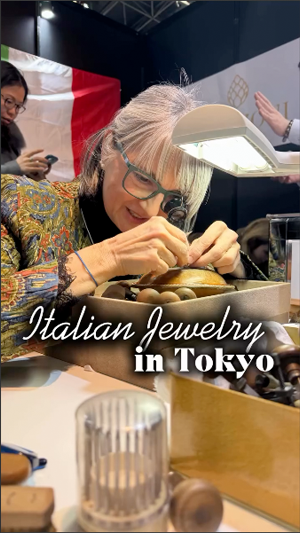
Japanese artisans (“takumi”) are globally admired for:
• Microscopic stone setting
• Perfect proportions
• Meticulous polish
• Hand-forged metals
• Immaculate finishing
• Zero-tolerance quality standards
The philosophy is simple: flawlessness is an act of respect toward the wearer.
2.2. The Rise of Boutique Ateliers
In 2026, small Japanese workshops are becoming the new luxury hubs.
Areas like:
• Ginza
• Aoyama
• Daikanyama
• Kyoto’s Nakagyo district
…are gaining global attention for their handmade engagement rings, pearl creations, and bespoke gemstone pieces.
Foreign collectors increasingly travel to Japan specifically to commission:
• Custom platinum settings
• Heirloom remakes
• Minimalist diamond solitaires
• Bespoke colored gemstone rings
Japanese craftsmanship has become a destination - not just a purchase.
2.3. Heritage Techniques Being Reborn
Traditional crafts are merging with modern jewelry design:
• Kumihimo braiding for chains
• Makie lacquer fused with gold
• Kintsugi philosophy applied to jewelry repair
• Hand-carved metalwork inspired by sword fittings
These techniques, once endangered, are now experiencing a renaissance.
3. Technology: Japan’s Most Transformative Advantage
If craftsmanship is Japan’s soul, technology is its engine.
3.1. Lab-Grown Diamonds and Ethical Innovation
Japan is one of the most rapidly growing markets for lab-grown diamonds.
Why?
Because Japanese consumers value:
• Transparency
• Clean sourcing
• Environmental responsibility
• High precision
• Consistent quality
Brands in Tokyo are pioneering:
• Ultra-high-clarity lab-grown stones
• Precision-cut diamonds tailored
by AI
• Matching pairs for earrings with near-zero deviation
3.2. Laser-Cutting and Micro-Engineering
Japan’s engineering heritage is redefining jewelry production:
• Sub-millimeter laser soldering
• Microscopic pavé setting
• Ultra-thin bracelet architectures
• Diamond cuts optimized through data modeling
This precision creates jewelry that feels impossibly light, perfectly constructed, and timeless.
3.3. Pearl Technology and
Quality Control
Japan dominates the global pearl industry not only because of Akoya tradition - but because of:
• Advanced X-ray nacre measurement
• AI-based sorting
• Automated luster evaluation
• Next-generation farming techniques
Hanadama pearls - Japan’s highest grade - exist only because of this pioneering technology.
3.4. Digital Customization
Young consumers in Japan now expect:
• 3D customization apps
• Virtual try-on AR tools
• Digital twin replicas of jewelry
• Online atelier consultations
The engagement ring of 2030 will be designed digitally, crafted by artisans, and delivered with a blockchain authentication - Japan is building this future now.
4. The Next Decade: What Will Define Japanese Jewelry?
1. Ultra-Minimalist Gold Revival
Inspired by the 80s revival, Tokyo designers are leading a global movement toward pure, bold gold
with minimalist silhouettes.
2. Ethical Luxury as Standard
Recycled metals, lab-grown diamonds, and traceable gems will dominate.
3. High-Tech Bespoke Jewelry
3D precision + artisan finishing = Japan’s luxury formula.
4. Pearl Reinvention
New shapes, modern settings, and hybrid materials will elevate pearls beyond traditional bridal wear.
5. Craftsmanship Tourism
Foreign buyers will increasingly
travel to Japan specifically to commission pieces from elite ateliers.
Conclusion: Japan Is Not Following Trends - It Is Creating Them
The future of Japanese jewelry is defined by:
• The quiet clarity of minimalism
• The deep authenticity of craftsmanship
• The progressive force of technology
This combination does not exist anywhere else in the world - and that is why the global industry is
now looking toward Japan as its next major creative center.
Japan is not simply setting trends.
Japan is defining the future of global jewelry design.