Tokyo Jewelry Fair: A Complete Visitor Guide
Japan’s jewelry industry is one of the most innovative in the world — and the Tokyo Jewelry Fair (TJF) is where it all comes together. Held annually in Tokyo, this event is more than a trade show: it is the ultimate meeting point for global designers, pearl producers, gemstone dealers, jewelry buyers, collectors, retailers, and trend forecasters.
Whether you are a professional buyer, a jewelry collector, a designer searching for inspiration, or simply a curious visitor who wants to see the future of jewelry - this guide will walk you through everything you need to know before attending.
1. What Is the Tokyo Jewelry Fair?
The Tokyo Jewelry Fair is one of Japan’s most respected industry events, attracting exhibitors from over 40 countries. Unlike many trade shows that focus solely on business, TJF is known for its unique combination of:
high-end craftsmanship
cutting-edge design
innovative materials
Japanese artistry and cultural influences
exclusive gemstone showcases
future trend previews
This is the place where international jewelry trends are born - years before they reach global retail shelves.
2. Who Should Visit the Fair?
The Tokyo Jewelry Fair is ideal for:
✔ Jewelry Buyers & Retailers
Looking for new suppliers, exclusive deals, or unique collections unavailable elsewhere.
✔ Designers & Creatives
Searching for inspiration, materials, rare stones, and fresh aesthetic perspectives.
✔ Jewelry Collectors
Hunting for quality pearls, unique gemstones, limited-edition pieces, and artist-made jewelry.
✔ Pearl Enthusiasts
Japan is the global heart of high-grade Akoya pearls - and TJF is where the rarest pieces appear.
✔ Investors
Exploring investment-worthy gemstones, gold, and collectible artisan jewelry.
✔ Trend Forecasters & Media
This fair is a gold mine of early signals for
upcoming global fashion and jewelry trends.
3. What You Will Find Inside the Exhibition
The fair is divided into several specialized zones. Here’s what to expect:
✨ Pearl Pavilion
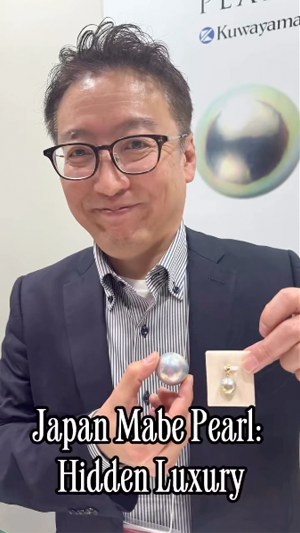
The most visited area - featuring Japan’s top Akoya pearl producers.
Expect rare large pearls, unique baroque shapes, Hanadama-grade lines, and next-generation pearl designs.
✨ Colored Gemstone Zone
Vendors from Sri Lanka, Thailand, India, Colombia, Africa, and more.
Sapphires, emeralds, spinels, garnets, paraíba tourmalines - everything from commercial grade to collector stones.
✨ Gold & Diamond Pavilion
Bold gold trends, high-carat chains, Japanese precision-cut diamonds, and the newest innovations in lab-grown stones.
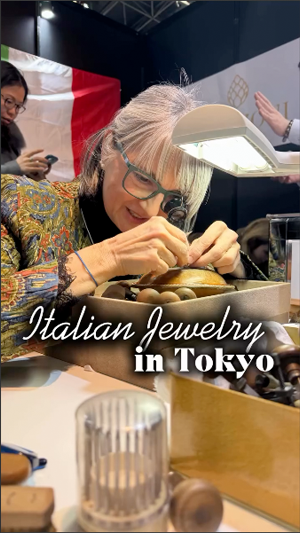
✨ Designer & Artisan Area
The soul of the fair.
Independent Japanese artists present architectural jewelry, kogei-crafted pieces, kintsugi-inspired designs, and experimental materials.
✨ Technology & Tools
The latest innovations in 3D printing,
gemstone testing, polishing, and ethical sourcing technology.
✨ Trend Showcase
A special curated area highlighting the jewelry trends predicted for the next 12-24 months.
4. How to Prepare Before Visiting
✔ Register Online in Advance
Tickets are usually free with pre-registration, but last-minute lines can be long.
✔ Plan Your Route
The fair is huge. Make a list of:
exhibitors you want to meet
materials or gemstones you’re searching for
scheduled seminars or demonstrations
✔ Bring Business Cards
Even if you’re not a business buyer - networking is huge at TJF.
✔ Set a Budget
It’s easy to get carried away. Prices range from very affordable to high-end investment pieces.
5. Tips for First-Time Visitors
1. Wear comfortable shoes
You will walk a lot - the fair covers thousands of square meters.
2. Always compare prices
Many exhibitors sell similar stones. Take your time.
3. Don’t hesitate to negotiate
Especially with gemstone dealers - polite negotiation is expected.
4. Learn basic gemstone vocabulary
Clarity, color, fluorescence, luster, nacre thickness for pearls, etc.
5. Bring portable lighting
Many professionals use small LED flashlights for stones.
6. Visit the Japanese artisan booths
This is where the most unique pieces of the fair are found.
6. What Makes the Tokyo Jewelry Fair Unique
Unlike other global shows, TJF has a special atmosphere - a blend of traditional Japanese aesthetics and modern luxury innovation.
Japan’s highlights include:
the world’s best quality Akoya pearls
meticulous craftsmanship
small-batch creator studios
nature-inspired minimalist design
futuristic techniques mixed with ancient artistry
Here, jewelry is not just an accessory - it is cultural heritage.
7. Are Purchases Tax-Free for Visitors?
Yes - foreign tourists can purchase many items tax-free.
To qualify, you usually need:
passport
minimum purchase amount (varies by seller)
items sealed until you leave Japan (for some categories)
At the fair, many vendors offer immediate tax exemptions or provide documentation for airport refund counters.
8. Best Time to Visit the Fair
The fair typically takes place at the end of summer or early autumn - a convenient period for retailers planning winter inventory and for designers scouting upcoming trends.
Most visitors spend 2 full days to cover everything comfortably.
9. Why the Tokyo Jewelry Fair Matters Globally
The fair plays a huge role in shaping international jewelry trends:
Pearl trends originate here.
Future gold aesthetics - especially Japanese minimalism - debut here.
Major gemstone color trends often appear here first.
Global brands study Tokyo exhibitors for inspiration.
Independent Japanese designers influence runway jewelry trends.
If you want to understand where the global jewelry market is heading - Tokyo is the place to watch.
Your Gateway Into the World of Japanese Jewelry
The Tokyo Jewelry Fair is more than an exhibition - it is a window into the soul of Japanese jewelry craftsmanship and a preview of what the rest of the world will wear in the next few years.
Whether you are a buyer, a creator, a collector, or simply a lover of beautiful things, TJF offers inspiration, education, and access to some of the most unique
jewelry in the world.
If there is one jewelry event you should visit at least once - it’s this one.