Why Tokyo Is Becoming the Center of the Global Vintage Market
For decades, the vintage luxury market was dominated by Paris, London, New York, and Milan. But in the last five years, the global spotlight has shifted east - toward Tokyo. What was once an insider secret known only to collectors is now an international phenomenon: Tokyo is becoming the capital of the world’s vintage market.
From immaculate Chanel classics to investment-grade Hermès, from pristine jewelry to rare runway pieces, Tokyo’s vintage scene offers something no other city can match: quality, authenticity, curation, and cultural discipline. Here is the
deep dive into why Tokyo is outpacing the rest of the world and setting a new global standard for vintage luxury.
1. Japan’s Obsession With Preservation
If there is one thing that defines Japanese consumer culture, it is the commitment to preserving beauty.
Japanese shoppers traditionally:
- store items in dust bags
- never place bags on the floor
- avoid overstuffing leather
- clean and condition materials regularly
- use accessories gently and mindfully
As a result, a 20-year-old vintage bag in Japan often looks like it has been used three times - not thirty.
This culture of care creates the highest-quality vintage inventory in the world.
2. Authenticity Standards Unlike Anywhere Else
Tokyo’s vintage scene is built on trust - and strict verification.
Stores routinely use:
- AI-supported authentication tools
- multiple human authenticators
- ultraviolet/infrared scanning
- weight and material testing
- historical stitch-pattern comparisons
- Japan’s own industry authentication licenses
For international buyers, Japan becomes the safest global hub to purchase:
- Chanel
- Hermès
- Dior
- Louis Vuitton
- Celine
- Goyard
- Cartier & Tiffany jewelry
- Vintage watches
Japan’s “no tolerance” culture for counterfeits turns Tokyo into the world’s most reliable resale ecosystem.
3. The World’s Largest and Most Organized Vintage Network
Tokyo offers an unparalleled density of vintage stores.
It is not just quantity - it’s structure.
Tokyo’s vintage network includes:
- department-store resale floors
- high-end consignment boutiques
- professional auction houses
- luxury pawn salons
- curated private dealers
- online-offline hybrid shops
- specialist stores for bags, jewelry, and
watches
Every district has a different focus:
- Shibuya/Harajuku - fashion-forward, trendy, rare finds
- Shinjuku - large retailers, big brand selection
- Ginza - investment-grade, high-end, premium curation
- Daikanyama & Nakameguro - minimalist, editorial-style curation
- Ueno & Okachimachi - gemstone dealers and jewelry specialists
Nowhere else has this level of specialization.
4. Japan’s “Secondhand Is Better” Culture
In many countries, pre-owned goods carry stigma.
In Japan, they carry value.
Vintage shopping is seen as:
- smart
- sustainable
- financially wise
- culturally responsible
- a sign of good taste
Because of this mindset, Tokyo receives a constant stream of gently used or unused luxury pieces from original owners - creating supply that European and American markets can only dream of.
5. Luxury Brands Release Limitations Turn Tokyo Into a Treasure Trove
Japan has long had a unique relationship with luxury houses. Many brands:
- released Japan-exclusive colorways
- launched limited collections
- produced region-specific seasonal items
- maintained larger retail networks in Japan
Those pieces eventually enter the resale market - meaning Tokyo often has inventory that doesn’t exist anywhere else on Earth.
Collectors and resellers flock to Japan for exactly this reason.
6. The Rise of Investment Buying
As luxury goods continue to appreciate, many vintage buyers now treat bags and jewelry as alternative investment assets.
Tokyo supports this trend with:
- consistent grading standards
- detailed documentation
- transparent condition ratings
- stable pricing
- professional appraisers
This creates a mature, trustworthy market
ideal for global investors.
7. Vintage Jewelry in Tokyo: A Hidden World-Class Market
Not only bags - Tokyo has become a major hub for vintage jewelry:
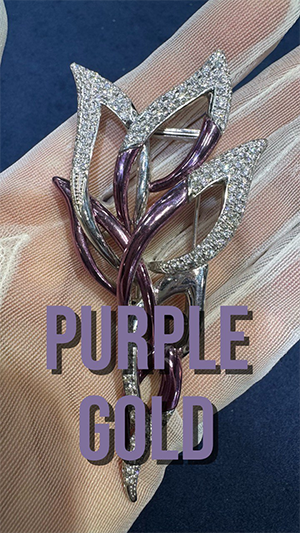
- Cartier Panthère
- Tiffany & Co. classics
- vintage Mikimoto
- Art Deco pieces
- European estate jewelry
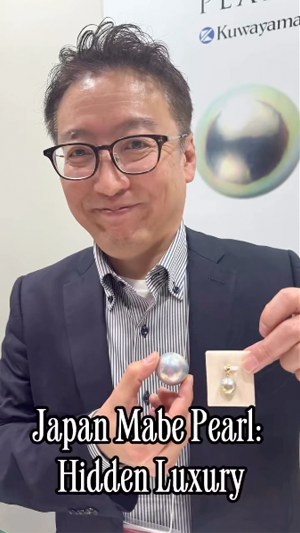
- rare gemstone finds
- vintage gold chains (a trending category)
Japan’s careful storage culture and humidity-control habits mean vintage jewelry is preserved in exceptional condition.
8. Buyers From Around the
World Come to Tokyo for Sourcing
Tokyo is now the No.1 sourcing destination for:
- personal shoppers
- luxury resellers
- vintage stores
- collectors
- jewelry dealers
- auction buyers
The ecosystem is so abundant that many buyers fly in several times a year to refill inventory exclusively in Japan.
9. Why Tokyo Will Continue Leading the Global Vintage Market
Tokyo offers something no other city can replicate:
- High-quality supply
- Organized marketplace
- Strict authenticity culture
- Caring consumer habits
- Historical relationship with luxury brands
- Stable investment atmosphere
- Rich jewelry and gemstone market
As sustainability becomes essential and vintage turns into the new luxury, Tokyo is positioned to dominate the global market for the next decade.
Conclusion: Tokyo Is Not Just a Vintage Capital - It’s the Future of Luxury
Tokyo’s blend of discipline, preservation, curation, and transparency creates a vintage environment unmatched worldwide. What was once a hidden gem
for experienced collectors is now a global powerhouse shaping the future of resale luxury.
Tokyo isn’t following global vintage trends - it is creating them.
For anyone in the jewelry or fashion industry, watching Tokyo means watching the future.